
When creating beautiful, long lasting outdoor spaces, quality landscape supplies play a critical role. It’s easy to focus on layout, planting, and aesthetics. But one of the most important factors for me is how a garden is implemented, maintained and performs long term. At Flourish Garden Concepts, I see first-hand how investing in the right landscape materials leads to better results.
From ground preparation and drainage through to mulch and aggregates, the materials beneath and around your plants shape both how a garden performs and how it ultimately looks as it matures. When inferior materials are used or best practice is ignored, even a well-considered design can fall short.
With 26 years in the landscape design industry, I’ve learned which materials deliver lasting performance and support healthy, sustainable gardens.
The Importance of Mulch in Auckland Gardens
Mulch is far more than a finishing layer. In Auckland’s climate—where gardens can experience heavy rainfall followed by dry spells—quality mulch plays a key functional role as well as an aesthetic one.
Good mulch helps regulate soil temperature, retain moisture, suppress weeds, and improve soil structure as it breaks down. Lower-quality mulches can break down too quickly and subsequently reintroduce weeds. So choosing the right mulch is important.
Mulching tip:
Apply mulch to a depth of 75–100 mm, and keep it clear of plant stems and trunks. This depth helps suppress weeds, retain soil moisture, and protect soil structure, while leaving space around stems prevents rot and pest issues.
The Foundation of Healthy Planting
Ever had plants struggle after planting and wondered why? Healthy gardens start below ground. The soil determines how well plants establish, how roots develop, and how water moves through the soil. This also goes for healthy, thriving lawns. Get the base wrong and you’re often off to a less than ideal start.
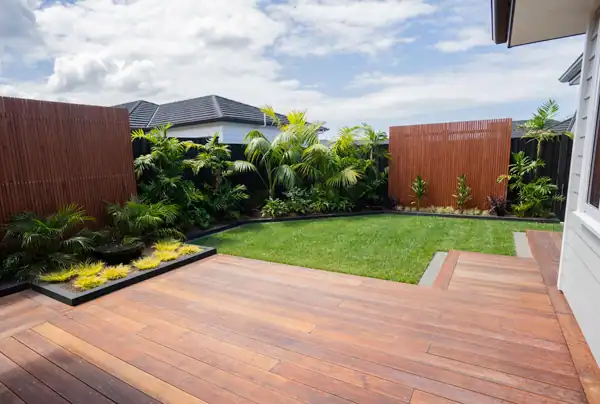
In Auckland, natural soil conditions vary widely from site to site. Proper soil improvement and amendment before planting plays a critical role in how well plants establish, how roots develop, and how resilient the garden is over time. Soil improvement often starts with compost to enrich and activate the existing soil, supported by garden mixes where structure or drainage needs to be improved.
Clay Soil Tip:
Don’t fight clay — improve it gradually. Instead of replacing clay soil entirely, work compost and organic matter into the top
200–300 mm of soil before planting. This improves structure, drainage, and oxygen flow, allowing a much wider range of plants to establish successfully.
Function Meets Finish
Pebbles and decorative aggregates are often featured in landscape designs as paths, garden surfaces, and defining elements within a landscape plan. While they’re chosen for their visual appeal, quality matters just as much as colour or size.
Well-graded, clean aggregates provide better drainage, suppress weeds more effectively, and maintain their appearance over time. Inferior products can discolour, compact poorly, or break down, detracting from both function and the overall look of the garden.
In Auckland landscapes, durability is key—particularly in high-traffic or low-maintenance areas where materials need to perform as well as they look.
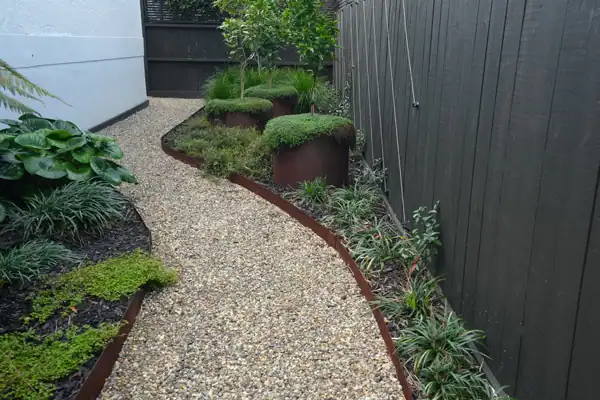
Design Tip:
Choose materials that suit Auckland’s climate, not just the look you’re aiming for. High rainfall and humidity mean drainage, durability, and slip resistance are just as important as aesthetics — especially for decks, paving, and retaining elements.
The Role of a Landscape Designer Beyond the Plan
A landscape plan sets the vision, but it’s the implementation that determines the final outcome. Material selection, correct depths, and appropriate product choices all influence how a garden settles and matures.
As a landscape designer in Auckland, my role extends beyond the drawing board. I specify materials carefully to ensure the design intent is carried through into the finished garden and protected long term.
Why I Specify Trusted Landscape Suppliers in Auckland
After 26 years working in and around Auckland, experience has shown me which materials consistently perform well over time.
That’s why I work alongside trusted landscape contractors and specify reliable suppliers such as Central Landscape Supplies on my Auckland projects.
Their materials are reliable, well graded, and built to last, with a range broad enough to support everything from soil preparation and drainage through to aggregates as well as a broad range of supporting landscape materials. Combined with knowledgeable staff, dependable delivery, and practical services that suit both professionals, DIY gardeners and homeowners, this consistency helps ensure good design is carried through on site. Helping gardens perform well, look considered, and mature as planned.
Central Landscape Supplies Insights for Successful Garden Implementation
What’s the most common mistake homeowners make when preparing soil for a new garden in Auckland?
Drainage – understand whether the soil drains well or is boggy – that determines plant selection and whether steps such as drainage are needed before the garden is planted. Building raised garden beds is an excellent solution for difficult areas.
Investing in the soil – garden soil, even if it’s clay, contains minerals that are beneficial to plants as they grow. But this is not enough for plant success. Filling beds with Garden Mix or digging compost through existing soil will add so much more that the plants will love. Pelletised fertilisers are great additives.
How should homeowners choose the right mulch for their garden, and what difference does quality make?
Most home owners choose their mulch for the physical looks – colour and textures that enhance the plants and make the garden look ‘finished’. And ‘designer look ‘mulches are pricier. Black wood chip mulch is popular as is Forest Floor, a more natural chunky brown product. Mulches are very effective in suppressing weeds, locking moisture in the soil beneath and bringing the earthworms. A mix of big and small particles in a mulch helps disperse water evenly.
Generally the chunkier the pieces, the more longevity to the mulch from chunky bark to coarse bark mulches. Arbor mulches tend to be fresher and therefore break down quickly, but they are reasonably priced. Adding a layer of compost or spreading pelletised fertilisers before spreading mulch is a great way to add nutrients to the garden.planted. Building raised garden beds is an excellent solution for difficult areas.
When using aggregates or decorative stones in a garden, what should homeowners look for to
ensure good drainage and long-term performance?
Decorative pebbles and stones laid over garden soil can change the look of the garden dramatically. By definition stones and aggregates offer permeability as they aid water absorption to the ground below. Before spreading them a base layer of Gap 20 helps create an even platform to lay them on and discourage weeds. Or, more economically a layer of weed mat beneath stones, is another option.
Leaves and garden litter naturally float around the garden at some times of the year, so raking or blowing them regularly keeps them looking smart. Subsidence or pebble dispersal over time should be dealt with by topping up and, in the case of lighter stones and chips, some may need an application of cleaning solution to control moss and algae.
In short, gardens built with quality materials protect your investment and support a garden that truly flourishes. Which tend to then improve with age—plants establish better, finishes hold their structure, and the space continues to look intentional rather than tired.
If you’re planning a garden in Auckland and want guidance on turning good ideas into a well-built, long-lasting landscape, feel free to get in touch to discuss your project. Contact Sandra.
About the author
With 26 years experience in landscape design, Sandra Batley is an Auckland-based Landscape designer specialising in refined, enduring residential gardens. Her work focuses on thoughtful planning, quality materials, and creating outdoor spaces
designed to be enjoyed year-round. If you’re looking for a landscape designer in Auckland to help you create a garde that reflects your lifestyle and can be enjoyed for years to come, book a consultation here.
Photo credit: Sandra Batley.