
How to design a garden that feels as though it truly belongs to your home.
A beautifully designed garden should never feel like an afterthought. The most successful landscapes don’t compete with the architecture — they complement it so naturally that house and garden appear to have evolved together over time.
Over the past 26 years, I’ve had the privilege of designing gardens for homes throughout Auckland, from heritage villas and character bungalows to contemporary family homes. While every property is unique, I’ve found that the most successful landscapes all share a handful of timeless design principles. They respect the architecture, respond to the site and, most importantly, create outdoor spaces that feel as though they have always belonged.
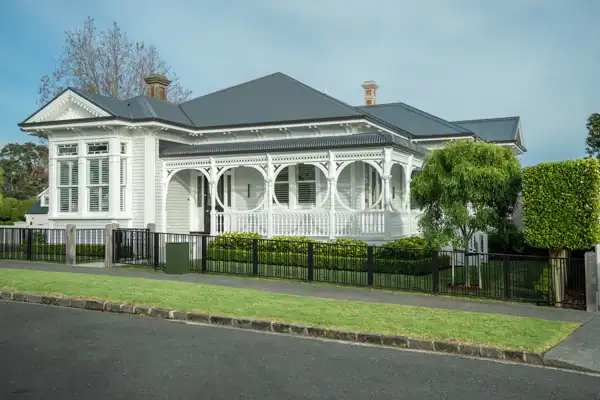
This is particularly true of Auckland’s character homes. Whether it’s a grand villa in Herne Bay, a bay villa in Devonport, or a timeless family residence, every home has its own architectural language. I believe the landscape should respect that language while enhancing the way you live today.
It’s easy to be tempted by the latest trends on Pinterest or Instagram, but timeless gardens rarely follow fashion. Instead, they are guided by thoughtful design principles that create balance, longevity and a strong sense of place.
At Flourish Garden Concepts, I believe a well-designed landscape should feel as though it has always belonged to the property. Here are five principles I use to achieve that outcome.
Let the Architecture Lead your Garden Design
One of the biggest mistakes homeowners make is designing the garden independently of the home itself.
Before selecting a single plant or deciding where the patio should go, I take time to understand the architecture. I consider the proportions of the house, the rooflines, window placement, building materials and the overall character of the property.
A formal villa often lends itself to balanced compositions, generous garden beds and elegant materials that complement its heritage. By contrast, a contemporary home may call for stronger geometry, cleaner lines and a more restrained planting palette.
This doesn’t mean copying the era of the house exactly. Instead, it’s about creating harmony. The landscape should enhance the home’s personality rather than compete with it
When architecture leads the design, visitors often can’t explain why the property feels so cohesive, they simply recognise that everything belongs together.
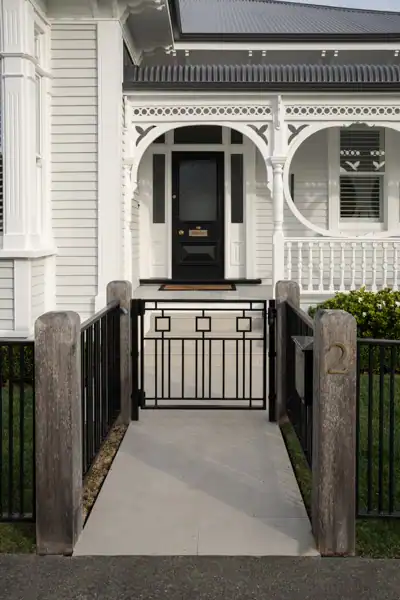
Practical advice for homeowners:
• Does the garden reflect the style of the house?
• Are the materials consistent with the home’s architecture?
• Would the garden still suit the property if trends changed in ten years?
If the answer is yes, you’re probably making timeless design decisions.
Create Structure Before Choosing Plants
Many people begin by collecting plants they love, only to discover later that the garden lacks definition.
Professional garden design starts with structure.
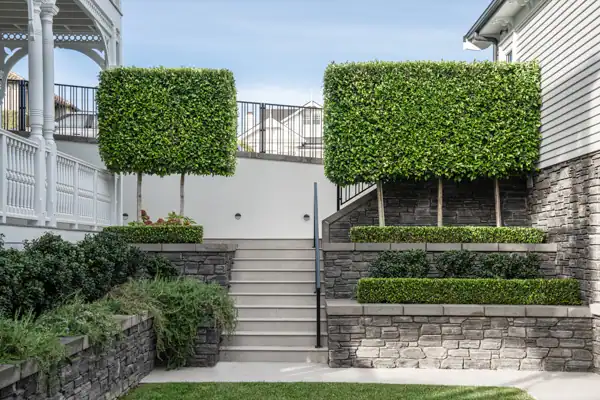
The first priority is creating the permanent framework that gives the garden strength throughout the year. Paths, terraces, retaining walls, steps, hedging, feature trees and carefully positioned outdoor spaces establish the bones of the landscape.
Plants then soften this framework by adding colour, movement and seasonal interest.
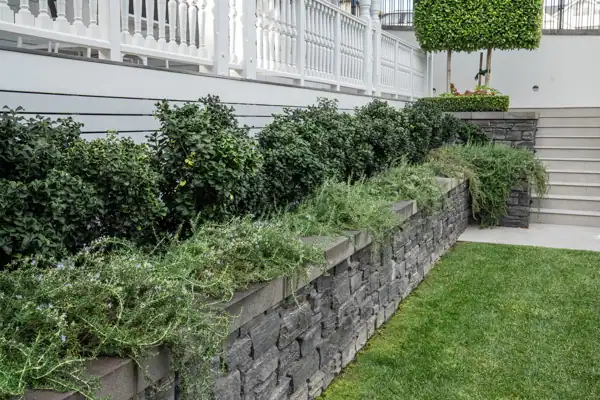
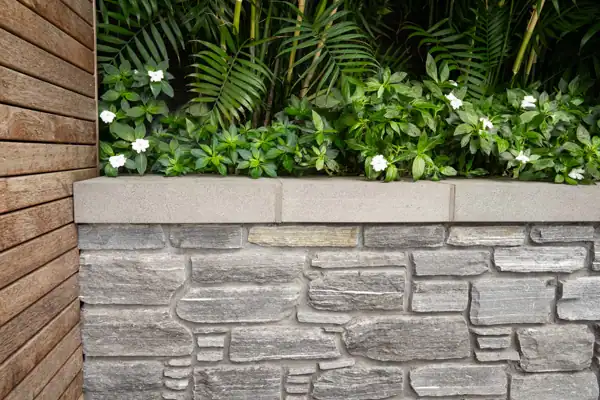
A garden with strong structure remains attractive even in winter because the underlying design continues to hold everything together.
Without that framework, even beautiful planting can feel disconnected and temporary.
Practical advice for homeowners
Before visiting the nursery, sketch your garden and identify:
• Where people naturally walk.
• Areas for entertaining.
• Quiet space to relax.
• Important views to frame.
• Areas that need screening or privacy.
Once these spaces are established, selecting plants becomes much easier because every decision supports the overall design.
Balance Formal Structure with Soft, Layered Planting
One of the misconceptions about formal gardens is that they need to feel rigid or highly manicured. In reality, good garden design combines clear structure with generous planting.

Layering plants of different heights creates depth, while repeating key species establishes rhythm throughout the garden. Evergreen shrubs provide year-round structure, architectural foliage adds contrast and softer planting introduces movement in the breeze.
Rather than filling every space with different varieties, a restrained palette often creates the most sophisticated result. Repetition allows individual plants to shine while creating a calm and cohesive landscape.
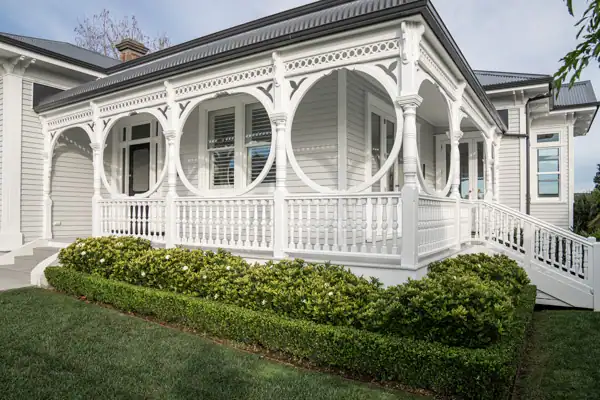
Texture is equally important. Combining broad leaves, fine foliage and contrasting forms creates visual richness without relying on excessive colour.
Practical advice for homeowners
If you’re unsure where to begin, choose fewer plant varieties and use them repeatedly.
Instead of planting one of everything, repeat groups throughout the garden. This creates unity, simplifies maintenance and often makes the landscape appear more established and professionally designed.
Design Outdoor Spaces That Invite You to Stay
Beautiful gardens are meant to be experienced, not simply admired from inside the house.
The best garden design functions as a series of outdoor rooms, each with a purpose.
Perhaps it’s a welcoming entrance, a sheltered terrace for entertaining, a sunny breakfast courtyard or a quiet corner where you can unwind after work.
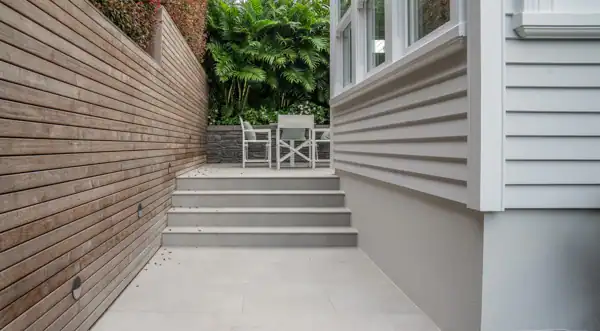
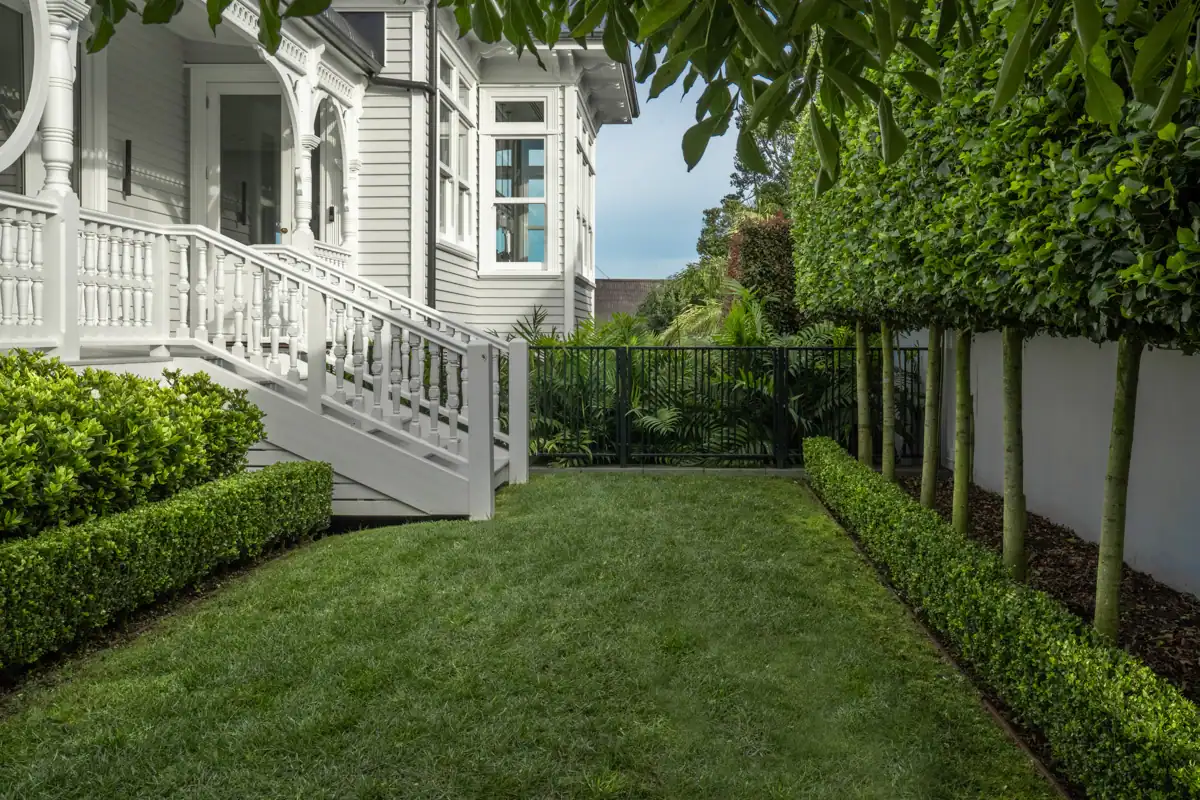
These spaces don’t need to be large. What matters is that each area has a clear role and feels comfortable to spend time in.
Think carefully about sunlight, prevailing winds, privacy and how you naturally move through the property.
Small details also make a significant difference. Comfortable seating, thoughtful lighting, shelter from the weather and attractive outlooks all encourage people to spend more time outdoors.
When these elements work together, the garden becomes a true extension of the home.
Practical advice for homeowners
Before making any major purchase, ask yourself one simple question:
Will I still love this in twenty years? Or will this simply date within the next five years?
If the answer is uncertain, it may be worth reconsidering classic materials and well-considered planting rarely date, making them one of the wisest long-term investments you can make in your property.
If the answer is uncertain, it may be worth reconsidering classic materials and well-considered planting rarely date, making them one of the wisest long-term investments you can make in your property.
Bringing It All Together
If the answer is uncertain, it may be worth reconsidering classic materials and well-considered planting rarely date, making them one of the wisest long-term investments you can make in your property.
When these five principles work together, the result is far more than an attractive garden.
The landscape begins to feel like a natural continuation of the home itself. The transition from indoors to outdoors becomes seamless, spaces feel comfortable to spend time in and every element supports the architecture rather than competing with it.
This sense of belonging is rarely achieved through expensive features alone. Good garden design comes from thoughtful planning, careful proportions, repetition, restraint and an understanding of how people actually use their gardens.
While every property is different, these design principles remain remarkably consistent. Whether you’re restoring a century-old villa or renovating a family home, the goal is the same: to create a landscape that feels authentic, welcoming and enduring.
A Garden That Stands the Test of Time
The most memorable gardens aren’t necessarily the ones filled with the rarest plants or the latest design trends.
They’re the gardens that quietly enrich everyday life.
They welcome you home, provide places to gather with family and friends, offer moments of peace and continue to become more beautiful with each passing year.
When a landscape responds thoughtfully to its architecture and its owners, it never feels fashionable or forced. Instead, it feels inevitable, as though it was always meant to be there.
That is the hallmark of timeless landscape design, and it’s the philosophy that guides every project I create at Flourish Garden Concepts
If you’re considering renovating your garden or would like a landscape that enhances the character of your home, I’d love to help. Together, we can create a timeless landscape that’s tailored to your home’s architecture, your lifestyle and Auckland’s unique climate, one that will continue to grow in beauty for many years to come. book a consultation here.